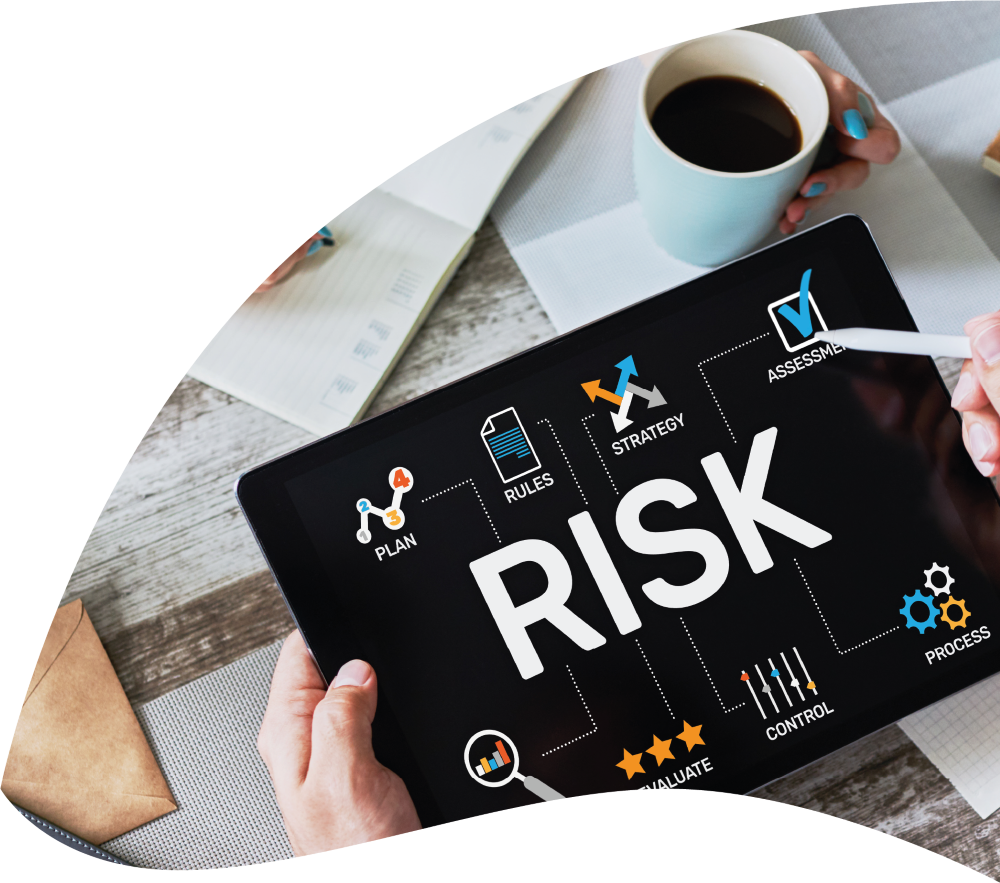
A risk analysis of a medical device is an essential step in ensuring that it complies with applicable regulations and is safe for users. In this field, the digitization of critical data helps ensure compliance, security, and reliability.
Medical devices are subject to strict regulations (EU 2017/745, ISO 14971, 21 CFR Part 11, etc.) to ensure their effectiveness and patient safety. These regulations, in turn, require compliance with stringent standards regarding the design, manufacture, packaging, labeling, and use of medical devices. The risk analysis process involves, on the one hand, studying past risks and, on the other hand, identifying and assessing potential threats in order to determine the measures to be taken to minimize these risks.
There are several methods for assessing these risks, including the use of risk management solutions that identify vulnerabilities and develop mitigation plans to address them. The goal is to ensure that the risks associated with the use of medical devices, regardless of their class, are reduced to an acceptable level and that the benefits of the device outweigh the risks. The risk management process involves several steps:
- Risk identification,
- Assessing them based on their likelihood of occurrence and severity,
- Managing unacceptable risks by implementing corrective actions,
- Assessing residual and/or collateral risks.
This is a critical process. However, it is often still managed using Excel spreadsheets, which does not comply with current regulations regarding security, data integrity, and traceability.
An agile platform that facilitates audits
To address this need, GxpManager offers its “Risk Analysis” application. This solution includes a set of customizable, compliance-focused features that are ideally suited for medical device risk analyses.
It enables you to manage the entire risk management process and automatically publish the report: identification, assessment, control, acceptability, graphical indicators, and more. This application is tailored to each manufacturer’s processes and methods. It features built-in capabilities such as audit trails, document versioning, workflows with electronic signatures, one-click report publishing, and much more…
This agile platform supports manufacturers in digitizing their critical data. It reduces the effort required for document management, data centralization and sharing, process automation, real-time reporting, and, finally, the controlled publication of risk management files in accordance with the manufacturer’s templates.
The message from GxpManager President Jérôme Tomaselli is clear:
“Digitizing the risk analysis process for medical devices can be a significant challenge, but the benefits in terms of traceability, compliance, and safety are considerable.”
Read the article on DeviceMed